Back-to-School Germs: How to Keep Your Home Healthy This Fall
The first two weeks of school are always the same. Everyone's excited, backpacks are new, and then somewhere around week three, someone comes home with a cough. Back-to-school germs at home aren't really about the kids being careless — thirty kids sharing desks, cafeteria tables, and bathroom door handles is just an efficient way to pass around whatever's going around.
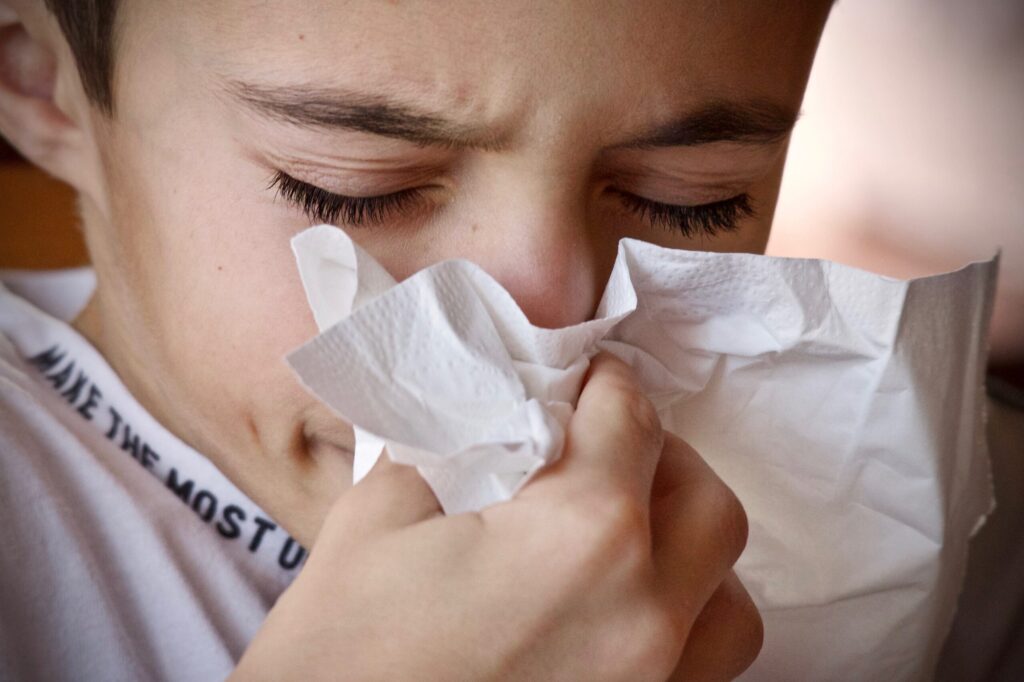
We see the same pattern every September in homes across Monmouth and Ocean Counties. One kid gets sick, and within a week the whole household's cycling through tissues.
Why fall hits harder than summer
Classrooms are close quarters, and once the weather cools off, windows stay shut and the same air gets recirculated all day. Add in kids who are still learning to cover a cough or wash their hands properly, and you've got a near-perfect setup for germs to spread fast. Then it comes home on backpacks, lunchboxes, and hands that touched forty different surfaces before touching your kitchen counter.
None of this means school is unsanitary. It's just math — more people, more shared surfaces, less airflow.
The high-touch spots people forget
Everyone wipes down the bathroom. Fewer people think about doorknobs, light switches, the refrigerator handle, or the buttons on the TV remote. These get touched constantly and cleaned rarely, which makes them the actual hotspots, not the places that look dirty.
Backpacks deserve a mention too. They sit on classroom floors, cafeteria tables, and bus seats all day, then land on your kitchen chair or bed the second your kid walks in. Wiping down the bottom of a backpack once a week takes thirty seconds and stops a lot of what would otherwise end up on your furniture.
Lunchboxes are worse, because they're warm, occasionally damp, and sealed shut for hours. A quick wipe-out with soap and water each night keeps them from turning into something you really don't want to think about.
Shoes are another one nobody thinks about until it's too late. Kids track in whatever they walked through at recess, and a lot of households don't have a shoes-off policy at all. You don't need to go full mudroom-shrine about it, but a mat by the door and a habit of leaving shoes there instead of walking them straight to the couch cuts down on a surprising amount of what ends up on your floors.
Building a simple after-school routine
You don't need a full disinfecting ritual every afternoon. A few habits, done consistently, cover most of it.
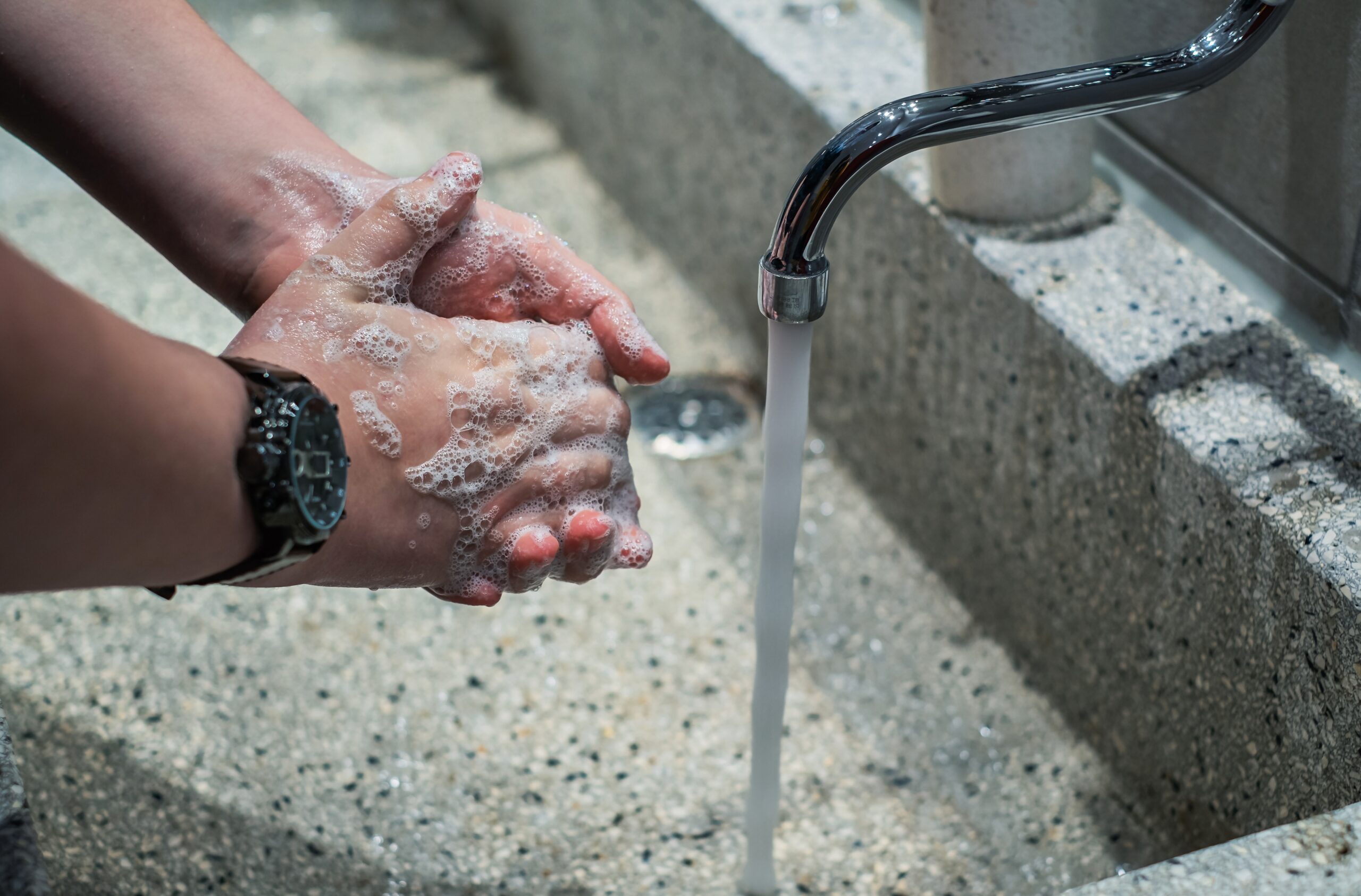
Hand washing the second kids walk in the door, before snacks, before touching much of anything. Backpacks land in one designated spot, not scattered across three rooms. Lunchboxes get emptied and wiped the same night, not left in a bag until morning. And once a week, a real wipe-down of the doorknobs, light switches, and remotes that get touched constantly but never make it onto anyone's cleaning list.
We tell parents in New Jersey the same thing every fall: consistency beats intensity here. A thirty-second wipe-down every day does more than one deep clean every two weeks.
What actually kills germs, not just moves them
A lot of "cleaning" is really just spreading germs around with a dry cloth. Surfaces need to stay visibly wet with a disinfectant for the amount of time listed on the product — usually a few minutes — to actually work. Wiping it off after five seconds because it looks clean skips the part that matters.
Stick to EPA-registered disinfectants for high-touch surfaces, and plain soap and water for hands — hand sanitizer is fine in a pinch, but it's not a substitute when hands are visibly dirty or after using the bathroom.
Check the label on whatever's under your sink right now. Plenty of "cleaning wipes" are actually just soap-based and don't claim to disinfect anything — they're fine for everyday grime, but if the goal is knocking out cold and flu viruses on a doorknob, you want a product that specifically says disinfectant on the front, with an EPA registration number somewhere on the label.
Laundry matters more this time of year, too
Uniforms, gym clothes, and the jacket that's been balled up in a backpack for three days all carry more than dirt once the school year gets going. Washing on the warmest setting the fabric allows, and getting damp gym clothes into the wash the same day instead of letting them sit in a bag, cuts down on what's building up in there.
When it's more than a wipe-down can handle
Some households get through fall fine with a solid routine. Others feel like they're constantly one step behind — laundry piling up, surfaces that never quite get their turn, a general sense that the house needs more than everyone has time for between school pickup and dinner. That's a normal place to land, not a failure of anyone's routine.
September and October are usually when we hear from parents for the first time all year. It's rarely because the house is a disaster. It's because the after-school hours got eaten up by homework, practice, and dinner, and the daily wipe-downs just stopped happening around week four. That's exactly the gap a professional visit every couple of weeks is built to fill — not replacing what you do day to day, just catching what falls through when the schedule gets tight.
If the after-school chaos has your regular cleaning routine slipping, we can take the deeper cleaning off your plate so you can focus on the daily habits that actually keep germs down. Request a free quote for residential cleaning in Monmouth, Ocean, or Mercer County and get back some breathing room this fall.